






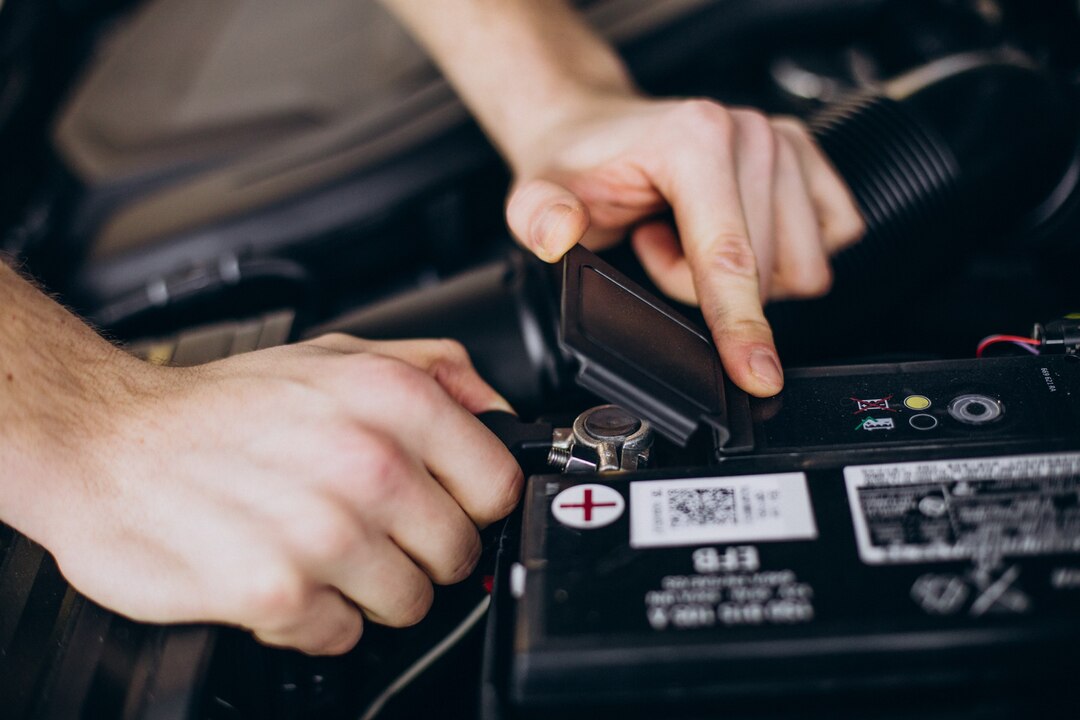
Car batteries are essential components of every vehicle, providing the necessary power to start the engine, operate electrical systems, and ensure smooth operation on the road. As automotive technology continues to evolve, so do the types of car batteries available on the market. In this comprehensive guide, we’ll explore the various types of car batteries that you must know about:
1. Lead-Acid Batteries
Lead-acid batteries are the most common type of car battery and have been used in vehicles for decades. These batteries consist of lead plates submerged in an electrolyte solution of sulfuric acid. Lead-acid batteries are known for their reliability, affordability, and ability to deliver high bursts of power to start the engine. However, they require regular maintenance, including topping up electrolyte levels and periodic recharging.
2. Absorbent Glass Mat (AGM) Batteries
AGM batteries are a type of lead-acid battery that uses a fiberglass mat to absorb and hold the electrolyte solution. This design prevents spillage and allows for a more durable and maintenance-free battery. AGM batteries are known for their high cranking power, fast charging capabilities, and resistance to vibration and shock. They are commonly used in modern vehicles with advanced electrical systems and start-stop technology.
3. Gel Cell Batteries
Gel cell batteries are another type of lead-acid battery that uses a gel-like electrolyte instead of a liquid solution. The gel electrolyte is immobilized, which prevents leakage and allows for a maintenance-free design. Gel cell batteries are highly resistant to vibration and shock and can be mounted in any orientation without the risk of spillage. They are commonly used in off-road vehicles, motorcycles, and marine applications.
4. Lithium-Ion Batteries
Lithium-ion batteries are lightweight and compact batteries that use lithium-ion chemistry to store and release energy. These batteries offer higher energy density, faster charging times, and longer lifespan compared to traditional lead-acid batteries. Lithium-ion batteries are commonly used in hybrid and electric vehicles (EVs) due to their high power output and energy efficiency. They are also becoming increasingly popular as aftermarket upgrades for conventional vehicles.
5. Nickel-Metal Hydride (NiMH) Batteries
NiMH batteries are another type of rechargeable battery commonly used in hybrid vehicles and electric cars. These batteries use a combination of nickel and metal hydride as the active materials and offer a good balance of energy density, power output, and cost-effectiveness. NiMH batteries are known for their reliability, durability, and ability to deliver consistent performance over a wide range of temperatures.
6. Flooded Lead-Acid Batteries
Flooded lead-acid batteries are the traditional type of lead-acid battery that uses liquid electrolyte and removable cell caps for maintenance. These batteries require periodic topping up with distilled water to replenish electrolyte levels and prevent sulfation. Flooded lead-acid batteries are affordable and widely available but require regular maintenance to ensure optimal performance and longevity.
Choosing the right type of car battery is essential for ensuring reliable starting power, electrical system operation, and overall vehicle performance. Whether you prefer the proven reliability of lead-acid batteries or the advanced technology of lithium-ion batteries, there’s a type of car battery to suit your vehicle’s needs and your driving habits. By understanding the differences between various types of car batteries, you can make an informed decision and ensure trouble-free operation on the road. As automotive technology continues to advance, we can expect to see even more innovative battery technologies that further improve performance, efficiency, and sustainability in the years to come.