






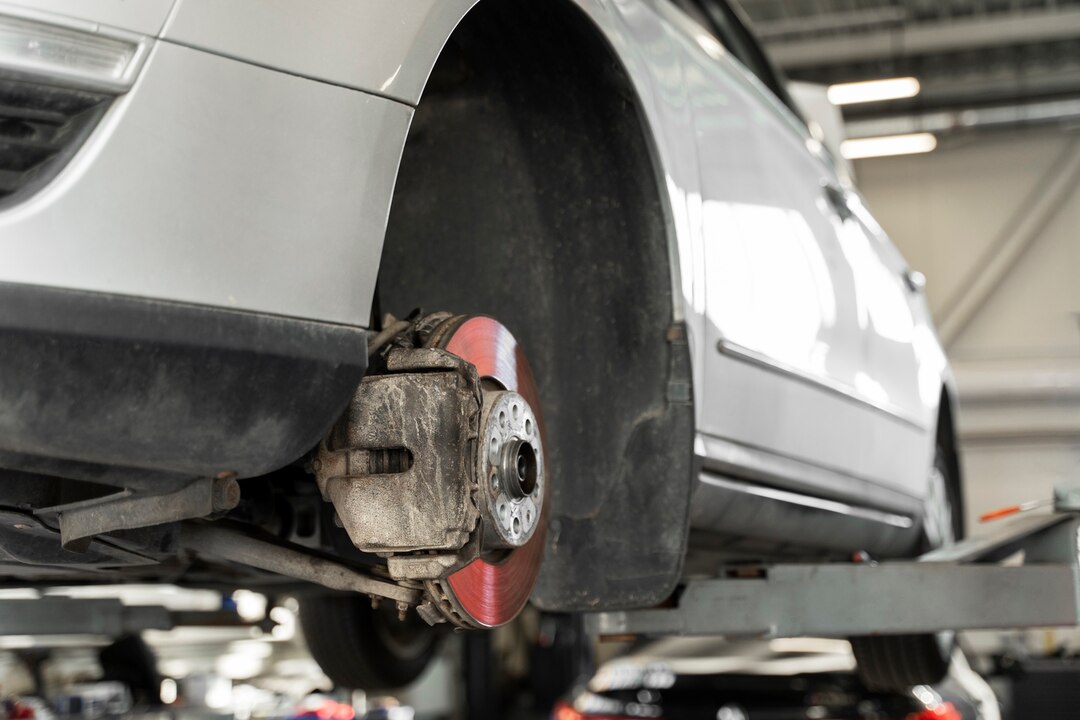
Brake lines are essential components of a vehicle’s braking system, responsible for carrying hydraulic fluid from the master cylinder to the brake calipers or wheel cylinders, where it applies pressure to the brake pads or shoes to slow down or stop the vehicle. While all brake lines perform the same basic function, there are several different types available, each with its own unique characteristics and advantages. Understanding the various types of car brake lines can help you make informed decisions when it comes to maintenance, repair, or upgrading your vehicle’s braking system. Here’s a breakdown of some common types:
1. Steel Brake Lines:
- Steel brake lines, also known as hard lines, are the most common type of brake lines found in vehicles. They are made of steel tubing that is formed and bent to follow the contours of the vehicle’s chassis and connect the master cylinder to the brake calipers or wheel cylinders.
- Steel brake lines offer excellent durability and resistance to corrosion, making them ideal for long-term use in various driving conditions. They are typically coated with a layer of rust-resistant material, such as zinc or nickel, to prolong their lifespan.
2. Stainless Steel Brake Lines:
- Stainless steel brake lines are similar to steel brake lines but are made of stainless steel tubing instead of plain steel. Stainless steel offers superior corrosion resistance and strength, making it ideal for high-performance or off-road vehicles that are subjected to harsh environments.
- Stainless steel brake lines are less prone to rust and corrosion compared to steel lines, ensuring long-lasting reliability and performance. They are also more flexible and easier to bend, allowing for easier installation and routing.
3. Copper-Nickel Brake Lines:
- Copper-nickel brake lines are a popular alternative to steel or stainless steel lines, known for their excellent corrosion resistance and malleability. They are made of a copper-nickel alloy that combines the strength of steel with the flexibility of copper.
- Copper-nickel brake lines are easy to bend and shape without kinking, making them ideal for custom or retrofit installations. They are also resistant to damage from road debris and environmental factors, ensuring reliable performance in all conditions.
4. Polyurethane Brake Lines:
- Polyurethane brake lines are made of a flexible polymer material that offers excellent resistance to abrasion, chemicals, and UV radiation. They are commonly used in racing or performance applications where durability and performance are paramount.
- Polyurethane brake lines are lightweight and flexible, allowing for precise brake pedal feel and modulation. They are also available in a variety of colors, making them popular among enthusiasts who want to customize the appearance of their vehicle’s braking system.
5. Braided Stainless Steel Brake Lines:
- Braided stainless steel brake lines combine the strength of stainless steel tubing with the flexibility of braided stainless steel outer sheathing. This design provides enhanced durability and resistance to expansion under pressure, resulting in improved brake pedal feel and responsiveness.
- Braided stainless steel brake lines are often used in high-performance or racing applications where precise brake control is essential. They are also resistant to damage from road debris and impact, ensuring reliable performance in demanding conditions.
6. Nylon Brake Lines:
- Nylon brake lines are lightweight and flexible, making them easy to install and route in tight spaces. They are typically used in vehicles with electronic stability control (ESC) or anti-lock braking systems (ABS), where precise brake modulation is required.
- Nylon brake lines are resistant to corrosion, abrasion, and impact, ensuring long-lasting durability and reliability. They are also available in pre-formed kits with fittings and adapters for easy installation.
7. Composite Brake Lines:
- Composite brake lines are made of a combination of materials, such as steel, nylon, or Kevlar, to achieve a balance of strength, flexibility, and durability. They are commonly used in modern vehicles where space constraints and weight savings are important considerations.
- Composite brake lines offer excellent resistance to corrosion, abrasion, and impact, ensuring reliable performance in all driving conditions. They are also lightweight and easy to install, making them ideal for use in vehicles with tight engine compartments or complex routing requirements.
Understanding the different types of car brake lines can help you choose the best option for your vehicle based on your driving needs, performance requirements, and budget. Whether you’re replacing a damaged brake line or upgrading to a higher-performance option, selecting the right brake lines is essential for maintaining optimal braking performance and safety on the road. Always consult with a qualified mechanic or automotive technician for expert advice and assistance with brake system maintenance and repairs.