






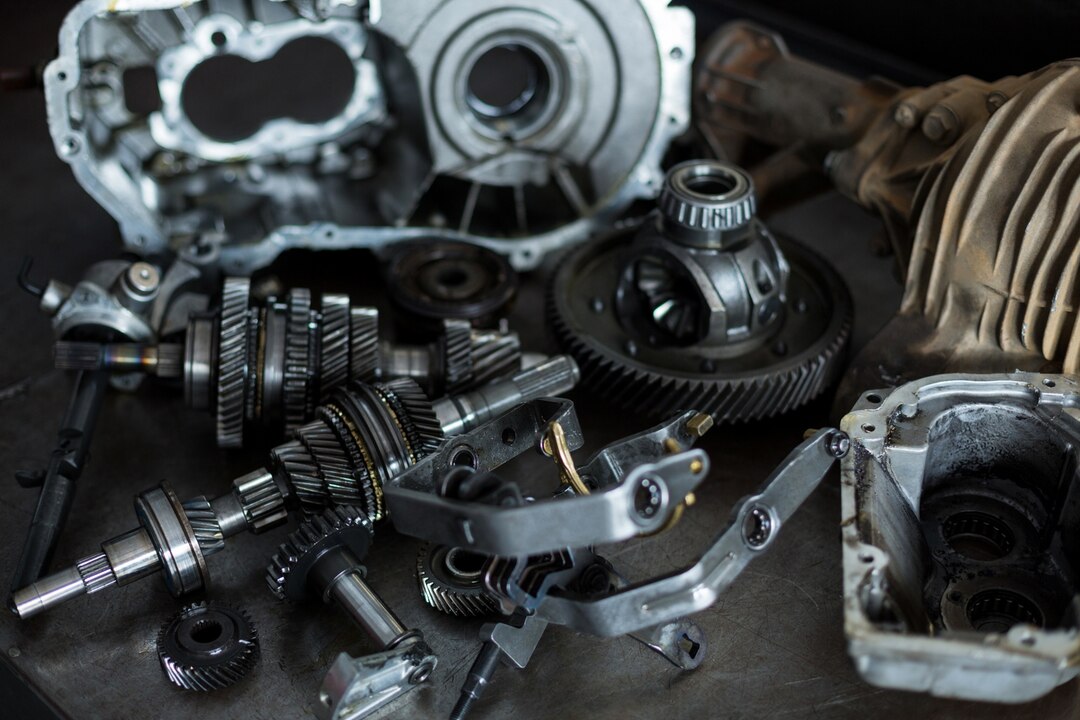
When it comes to understanding the inner workings of a vehicle, the differential is a crucial component that plays a significant role in distributing power to the wheels and enabling smooth cornering. While all differentials serve the same basic function of allowing the wheels to rotate at different speeds, there are several types of differentials, each with its own unique design and characteristics. Let’s delve into the world of automotive engineering and explore the different types of car differentials that every driver should know about:
1. Open Differential:
The open differential is the most common type found in vehicles today. It allows the wheels on the same axle to rotate at different speeds during cornering, ensuring smooth and stable handling. However, one drawback of open differentials is that they are not well-suited for off-road driving or situations where one wheel loses traction, as power will be directed to the wheel with the least resistance.
2. Limited-Slip Differential (LSD):
A limited-slip differential is designed to overcome the limitations of an open differential by providing better traction and stability, especially in slippery or uneven terrain. LSDs use various mechanisms, such as clutch packs, viscous fluids, or gear-based systems, to limit the speed difference between the wheels on the same axle. This helps distribute power more evenly and reduce wheel spin, improving traction and control.
3. Locking Differential:
Locking differentials are similar to limited-slip differentials but feature a mechanism that locks both wheels on the same axle together, ensuring equal power distribution regardless of traction conditions. Locking differentials are commonly used in off-road vehicles and trucks, where traction is essential for navigating rough terrain and obstacles. While effective off-road, locking differentials can be less suitable for everyday driving due to their tendency to cause wheel scrubbing during turns.
4. Torsen Differential:
Torsen, short for “torque-sensing,” differentials use a complex gear-based mechanism to distribute power between the wheels on the same axle. Unlike traditional differentials, Torsen differentials do not rely on friction or clutch packs to transfer power, making them more durable and reliable. Torsen differentials are commonly found in high-performance vehicles and sports cars, where precise power delivery and handling are paramount.
5. Electronic Differential:
Electronic differentials, also known as active differentials, use electronic sensors and actuators to monitor and adjust power distribution in real-time. By continuously analyzing factors such as wheel speed, steering angle, and vehicle dynamics, electronic differentials can optimize traction and stability under various driving conditions. Electronic differentials are often found in modern performance cars and advanced all-wheel-drive systems.
6. Torque Vectoring Differential:
Torque vectoring differentials take electronic differential technology a step further by actively controlling the distribution of torque to each wheel individually. By applying more power to the outer wheel during cornering, torque vectoring differentials can enhance agility, stability, and cornering performance. This technology is commonly used in high-performance vehicles and sports cars to optimize handling and dynamics.
7. Spool Differential:
A spool differential, also known as a solid or locked differential, is a simple and robust design that eliminates the differential entirely, locking both wheels on the same axle together. While effective for maximizing traction and power delivery, spool differentials result in fixed wheel speeds and can be challenging to drive on paved surfaces, as they cause skipping and tire wear during turns.
In conclusion, the differential is a fundamental component of any vehicle’s drivetrain, responsible for distributing power to the wheels and enabling smooth and controlled driving. By understanding the different types of car differentials and their respective characteristics, drivers can make informed decisions when selecting a vehicle or upgrading their drivetrain for optimal performance and handling. Whether you’re navigating city streets, tackling off-road trails, or pushing the limits on the racetrack, the right differential can make all the difference in your driving experience.