






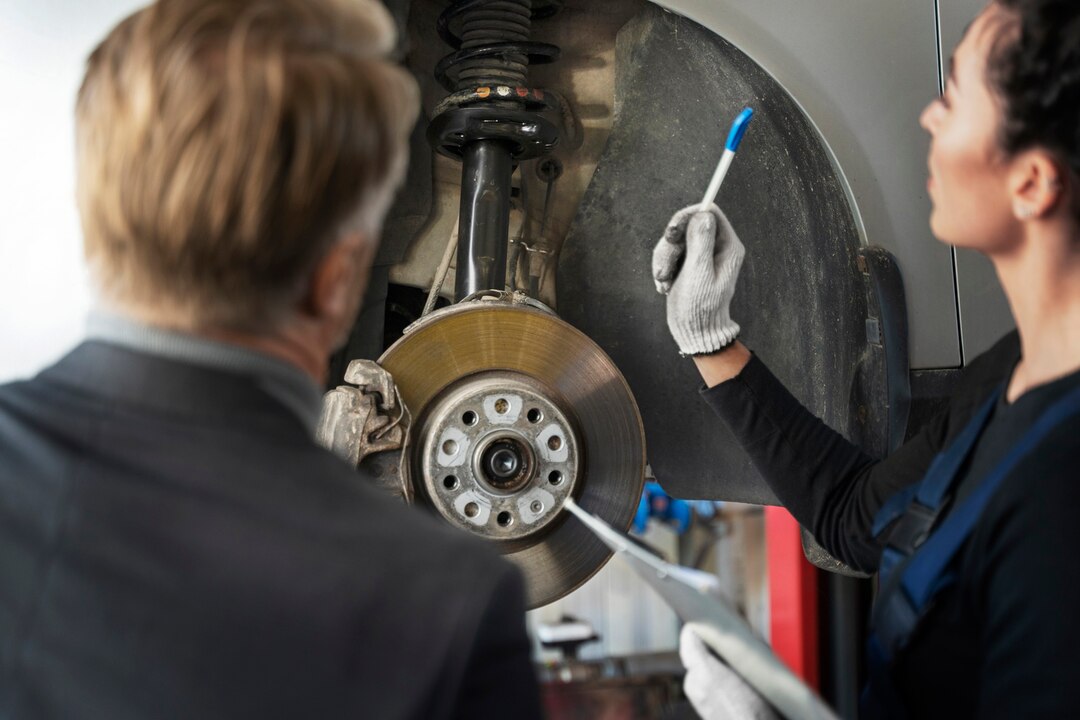
Struts play a crucial role in a vehicle’s suspension system, providing support, stability, and damping to ensure a smooth and controlled ride. From traditional MacPherson struts to advanced adaptive damping systems, there are several types of car struts available, each with its own unique characteristics and advantages. In this article, we’ll delve into the different types of car struts, how they work, and their applications in modern vehicles.
1. MacPherson Struts:
The MacPherson strut is one of the most common types of suspension systems found in modern vehicles, particularly in front-wheel-drive cars. It consists of a single assembly that combines a shock absorber, coil spring, and steering knuckle into a single unit. MacPherson struts are known for their simplicity, cost-effectiveness, and space-saving design, making them popular in compact cars and sedans.
2. Chapman Struts:
Chapman struts, also known as modified MacPherson struts, feature a similar design to traditional MacPherson struts but with an additional link connecting the strut assembly to the lower control arm. This design provides improved stability, control, and handling, particularly during cornering and high-speed maneuvers.
3. Coilover Struts:
Coilover struts combine the functionality of a coil spring and shock absorber into a single unit, allowing for adjustable ride height and damping. These struts are popular among performance enthusiasts and racing applications, as they provide greater flexibility in fine-tuning suspension settings for different driving conditions and preferences.
4. Air Struts:
Air struts, also known as air suspension struts, use air-filled rubber bags or bellows instead of traditional coil springs to support the vehicle’s weight and absorb shocks. Air suspension systems offer adjustable ride height, stiffness, and damping, allowing drivers to customize their driving experience based on road conditions and load.
5. Adaptive Damping Struts:
Adaptive damping struts, also known as electronically controlled dampers, use sensors and actuators to continuously adjust damping rates in real-time based on driving conditions. These struts provide a comfortable ride during normal driving and stiffen up for improved handling and stability during spirited driving or rough road conditions.
6. Double Wishbone Struts:
Double wishbone struts feature a more complex design with two wishbone-shaped control arms connected to the wheel hub and the chassis. This setup provides superior stability, control, and handling compared to MacPherson struts, making it popular in performance and luxury vehicles.
7. Multi-Link Struts:
Multi-link struts utilize multiple control arms and linkages to connect the wheel hub to the chassis, allowing for independent movement of each wheel. This design provides excellent stability, traction, and handling, particularly in high-performance vehicles and SUVs.
8. Trailing Arm Struts:
Trailing arm struts feature trailing arms that connect the wheels to the chassis, allowing for limited independent movement. This setup provides a balance of comfort and performance, making it suitable for rear-wheel-drive vehicles and off-road applications.
9. Leaf Spring Struts:
Leaf spring struts utilize leaf springs, a series of curved metal strips, to support the vehicle’s weight and absorb shocks. This design is commonly found in trucks, SUVs, and commercial vehicles for its durability, load-carrying capacity, and off-road capability.
10. Torsion Beam Struts:
Torsion beam struts connect both wheels on an axle with a single beam, providing a simpler and more compact alternative to traditional solid axle suspensions. While sacrificing some ride quality and handling, torsion beam struts offer cost-effectiveness and space savings, making them popular in compact cars and entry-level vehicles.
The suspension system plays a critical role in the overall performance, comfort, and safety of a vehicle, and struts are an integral part of this system. By understanding the different types of car struts and their unique characteristics, drivers can make informed decisions when choosing a vehicle or upgrading their existing suspension setup. Whether you prioritize ride comfort, handling prowess, or off-road capability, there’s a strut out there to suit your needs and preferences.