






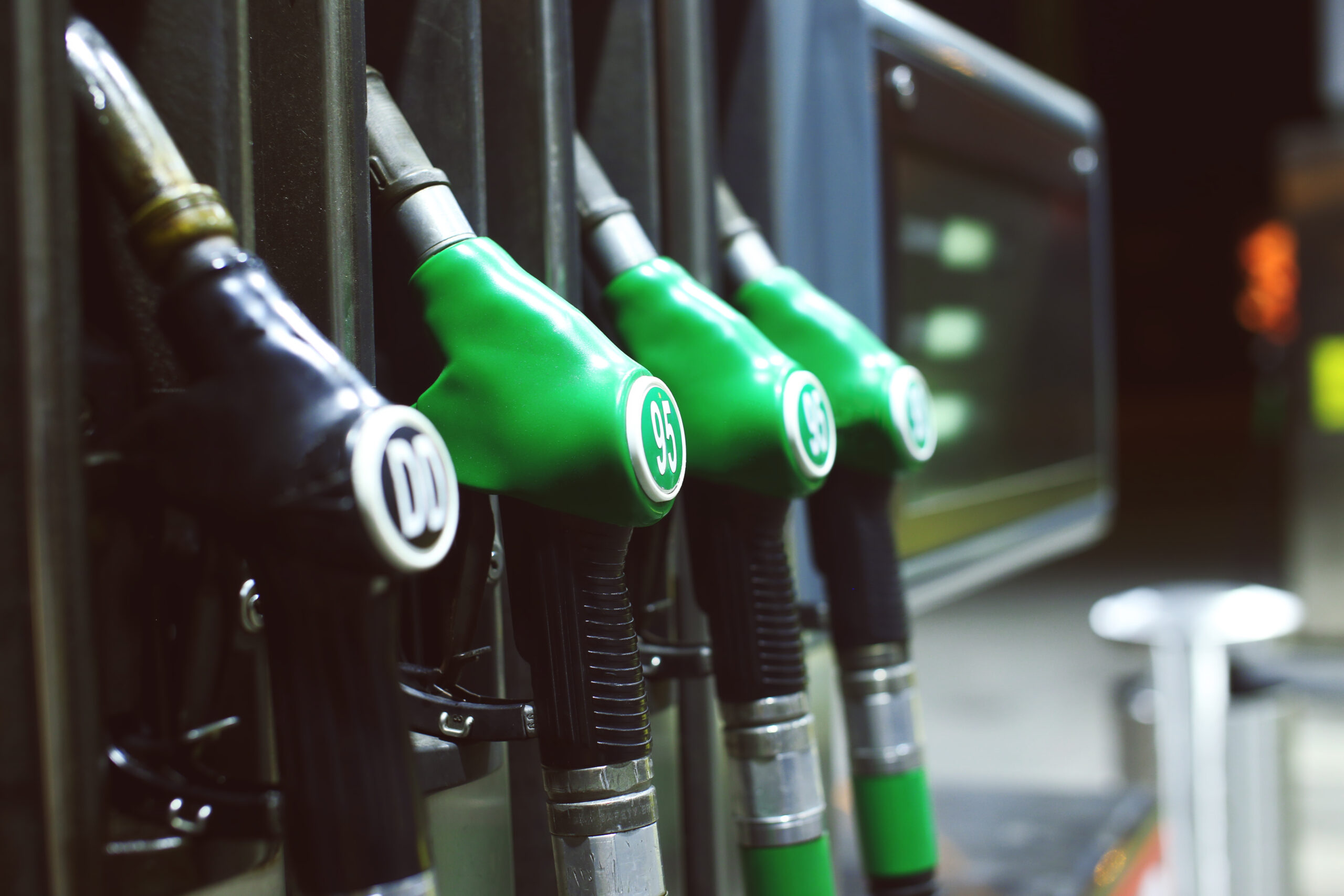
When purchasing a second-hand car in South Africa, one of the key decisions you’ll need to make is selecting the appropriate fuel type. South Africa offers various fuel options, including petrol (gasoline), diesel, and compressed natural gas (CNG). Each fuel type has its own set of advantages and disadvantages. In this article, we will explore the pros and cons of buying a second-hand car with different fuel types in South Africa to help you make an informed decision.
- Petrol (Gasoline):
Pros:
- Availability: Petrol is widely available throughout South Africa, ensuring easy access to fuel stations across the country.
- Lower initial cost: Petrol-powered vehicles generally have a lower purchase price compared to diesel or CNG alternatives.
- Performance: Petrol engines often provide better acceleration and responsiveness, making them suitable for drivers who prioritize performance.
Cons:
- Fuel efficiency: Petrol engines tend to have lower fuel efficiency compared to diesel or CNG engines, resulting in higher fuel costs over time.
- Emissions: Petrol engines generally produce higher emissions, contributing to air pollution and environmental concerns.
- Maintenance: Petrol engines may require more frequent maintenance and tune-ups, which can increase long-term maintenance costs.
- Diesel:
Pros:
- Fuel efficiency: Diesel engines are typically more fuel-efficient than petrol engines, offering better mileage and lower fuel costs.
- Torque and towing capacity: Diesel engines provide higher torque output, making them well-suited for towing or carrying heavy loads.
- Durability: Diesel engines are known for their robustness and longevity, requiring less frequent repairs or component replacements.
Cons:
- Higher initial cost: Diesel-powered vehicles generally come with a higher initial purchase price compared to petrol cars.
- Emissions: Diesel engines produce higher levels of nitrogen oxides (NOx) and particulate matter (PM), contributing to air pollution and environmental concerns.
- Availability and infrastructure: Diesel may not be as readily available in remote areas compared to petrol, and the infrastructure for diesel refueling may be limited.
- Compressed Natural Gas (CNG):
Pros:
- Lower emissions: CNG is a cleaner-burning fuel compared to petrol or diesel, emitting fewer greenhouse gases and pollutants.
- Cost savings: CNG generally offers cost savings compared to petrol or diesel, as it is often cheaper per energy unit.
- Engine longevity: CNG combustion is relatively clean, leading to reduced carbon buildup and potentially extending the engine’s lifespan.
Cons:
- Limited availability: CNG refueling stations are limited in South Africa, making it less convenient for long-distance travel or in remote areas.
- Higher conversion costs: Converting a petrol or diesel car to run on CNG can be expensive, requiring specialized retrofitting.
- Storage space: CNG requires additional space for onboard storage tanks, potentially reducing trunk space or passenger capacity.
When buying a second-hand car in South Africa, considering the pros and cons of different fuel types is crucial. Petrol offers wide availability and lower initial costs but may have higher fuel consumption and emissions. Diesel provides excellent fuel efficiency and durability but comes with a higher purchase price and environmental concerns. CNG offers cost savings and lower emissions, but limited availability and conversion costs are factors to consider.
Ultimately, the choice of fuel type depends on your specific needs, driving habits, budget, and environmental considerations. It is advisable to research fuel prices, availability, and infrastructure in your area before making a decision. Additionally, consider the maintenance costs, resale value, and long-term sustainability of the chosen fuel type. By carefully weighing the pros and cons, you can select the most suitable second-hand car with the desired fuel type that aligns with your requirements in South Africa.