






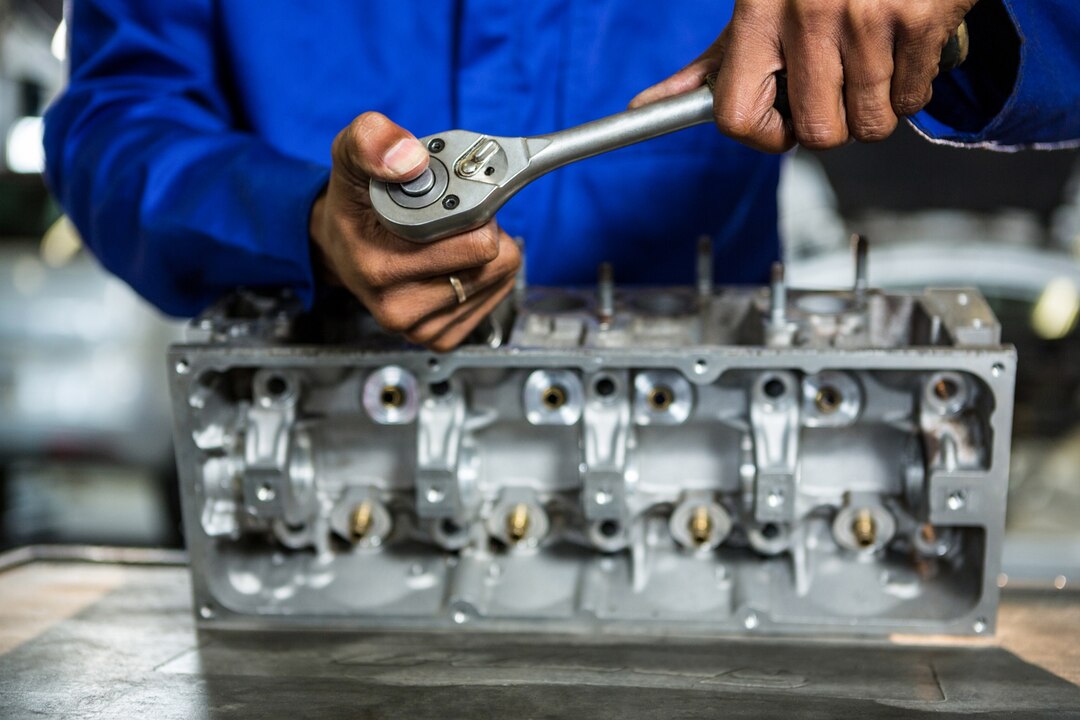
The cylinder block, also known as the engine block, is the foundation of your car’s engine, housing the cylinders, pistons, and other vital components. It plays a crucial role in the combustion process, ensuring proper sealing and containment of gases and fluids. However, over time, the cylinder block can wear out or sustain damage, leading to various issues that may require replacement. Here are 10 signs that indicate your car’s cylinder block may need replacement:
1. Engine Overheating:
If your car’s engine consistently overheats despite proper coolant levels and functioning cooling systems, it could indicate a cracked or warped cylinder block. Overheating can cause irreparable damage to the cylinder block, necessitating replacement to restore proper engine function.
2. Coolant Leaks:
Visible coolant leaks around the engine block or underneath the vehicle may signal a cracked or corroded cylinder block. Coolant leaks can compromise engine performance and lead to overheating, requiring prompt replacement of the cylinder block to prevent further damage.
3. Low Compression:
A noticeable decrease in engine compression, as indicated by poor engine performance, rough idling, or difficulty starting the engine, may suggest damage to the cylinder block. Low compression can result from worn piston rings, damaged cylinder walls, or other issues requiring cylinder block replacement.
4. Engine Knocking or Tapping Noises:
Unusual knocking or tapping noises emanating from the engine may indicate internal damage to the cylinder block, such as worn bearings or loose components. Ignoring these noises can lead to catastrophic engine failure, necessitating immediate replacement of the cylinder block.
5. Loss of Power or Performance:
A noticeable loss of power, performance, or fuel efficiency may indicate compromised engine function due to cylinder block damage. Whether caused by cracks, warping, or other defects, addressing the underlying issue and replacing the cylinder block is essential to restore optimal engine performance.
6. Excessive Oil Consumption:
If your car’s engine is consuming oil at an accelerated rate, it could be a sign of internal leaks or damage to the cylinder block. Oil leaks from the cylinder block can lead to lubrication issues, premature wear of engine components, and potential engine failure if not addressed promptly.
7. Visible Engine Damage:
Visual inspection of the engine may reveal signs of damage to the cylinder block, such as cracks, fractures, or erosion. External damage to the cylinder block can compromise its structural integrity and require replacement to ensure proper engine function and safety.
8. Engine Misfires:
Engine misfires, characterized by rough idling, hesitation, or lack of power, may occur due to cylinder block issues such as worn cylinder walls or damaged piston rings. Addressing the root cause and replacing the cylinder block may be necessary to resolve persistent misfire issues.
9. White Smoke from Exhaust:
White smoke emitting from the exhaust pipe, particularly accompanied by a sweet smell, may indicate coolant leaking into the combustion chambers due to cylinder block damage. Ignoring coolant leaks can lead to engine damage and necessitate cylinder block replacement.
10. Engine Seizure:
In severe cases of cylinder block damage, such as extensive cracks or internal fractures, the engine may seize due to inadequate lubrication or overheating. Engine seizure requires immediate attention and may necessitate complete replacement of the cylinder block to restore engine function.
The cylinder block is a critical component of your car’s engine, and any signs of damage or malfunction should be addressed promptly to prevent further issues. If you notice any of the aforementioned signs indicating potential cylinder block damage, it’s essential to consult a qualified mechanic or technician for a thorough inspection and diagnosis. Depending on the extent of the damage, replacement of the cylinder block may be necessary to ensure the continued reliability and performance of your vehicle.